

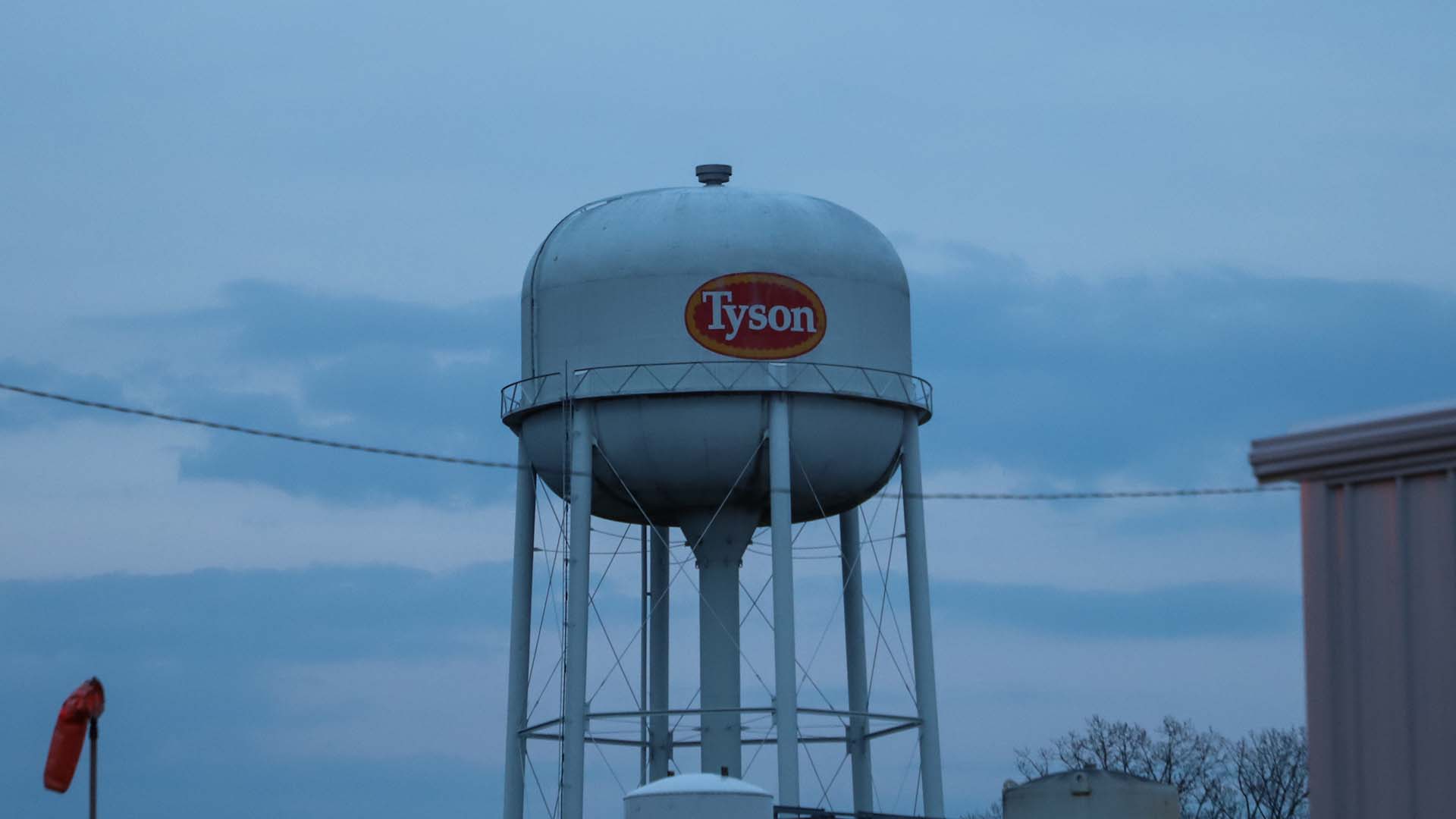

Tyson Foods is closing roughly 20% of its US cattle slaughter capacity in a sweeping restructuring that could provide a margin relief to rivals including Brazil’s MBRF and JBS, as well as Cargill.
The largest US animal-protein company will cease its beef plant in Illinois and a case-ready facility in Utah, while putting a slaughterhouse in Pasco, Washington, up for sale. The move comes as scarce cattle supplies continue to squeeze US beef processors.
Before the restructuring, Tyson had estimated slaughter capacity of about 21,000 head of cattle a day, assuming plants operated six days a week. The two beef plants the company is shutting down can process roughly 5,000 head per day.
In a statement, Tyson cited severe cattle shortages as a reason for the plant closures. The company said US Department of Agriculture data still showed limited evidence of heifer retention, a key indicator that ranchers are beginning to rebuild the US herd.
Still, Tyson said it could maintain the same overall slaughter volume using its three remaining beef plants in Nebraska, Kansas and Texas. The company could add a second shift at its Texas facility depending on market conditions.
Market Impact
Tyson’s announcement came shortly before MBRF executives spoke to reporters following the Brazilian company’s second-quarter earnings release.
Asked about the US cattle cycle, National Beef Chief Executive Officer Tim Klein pointed to Tyson’s restructuring, saying it should have a “positive impact on industry margins” because the same cattle supply would be spread across fewer processing plants. National Beef, one of US largest beef processors, is controlled by the Brazilian giant MBRF.
The capacity cuts come just as Tyson’s competitors are starting to see signs of a turn in the US cattle cycle.
JBS USA CEO Wesley Batista Filho said on Monday that Mexico’s reopening of its border for cattle exports to the US addresses the most “acute” part of the supply problem facing the American beef industry. Mexican cattle have historically accounted for 4% to 5% of US slaughter.
Batista Filho also pointed to more encouraging medium-term signals. The US cattle herd, now at its lowest level in more than 70 years, has stopped shrinking, while early signs of heifer retention have emerged.
Brazilian-controlled processors have been outperforming Tyson in the US market, particularly National Beef, which has remained profitable despite elevated cattle prices.
National Beef posted a 0.7% Ebitda margin in the second quarter, broadly stable from 0.8% a year earlier.
JBS’s South American Ebitda margin was negative 1% in the same period, though that represented a year-on-year improvement.
Tyson, by contrast, reported a deterioration in its beef results and lowered its outlook for the division.
This story was translated from the original Portuguese with the assistance of artificial intelligence and reviewed by The AgriBiz editorial staff.


