


Hormel Foods is pulling out of Brazil after nearly a decade of struggling to turn its biggest acquisition in the country into the growth platform it had envisioned.
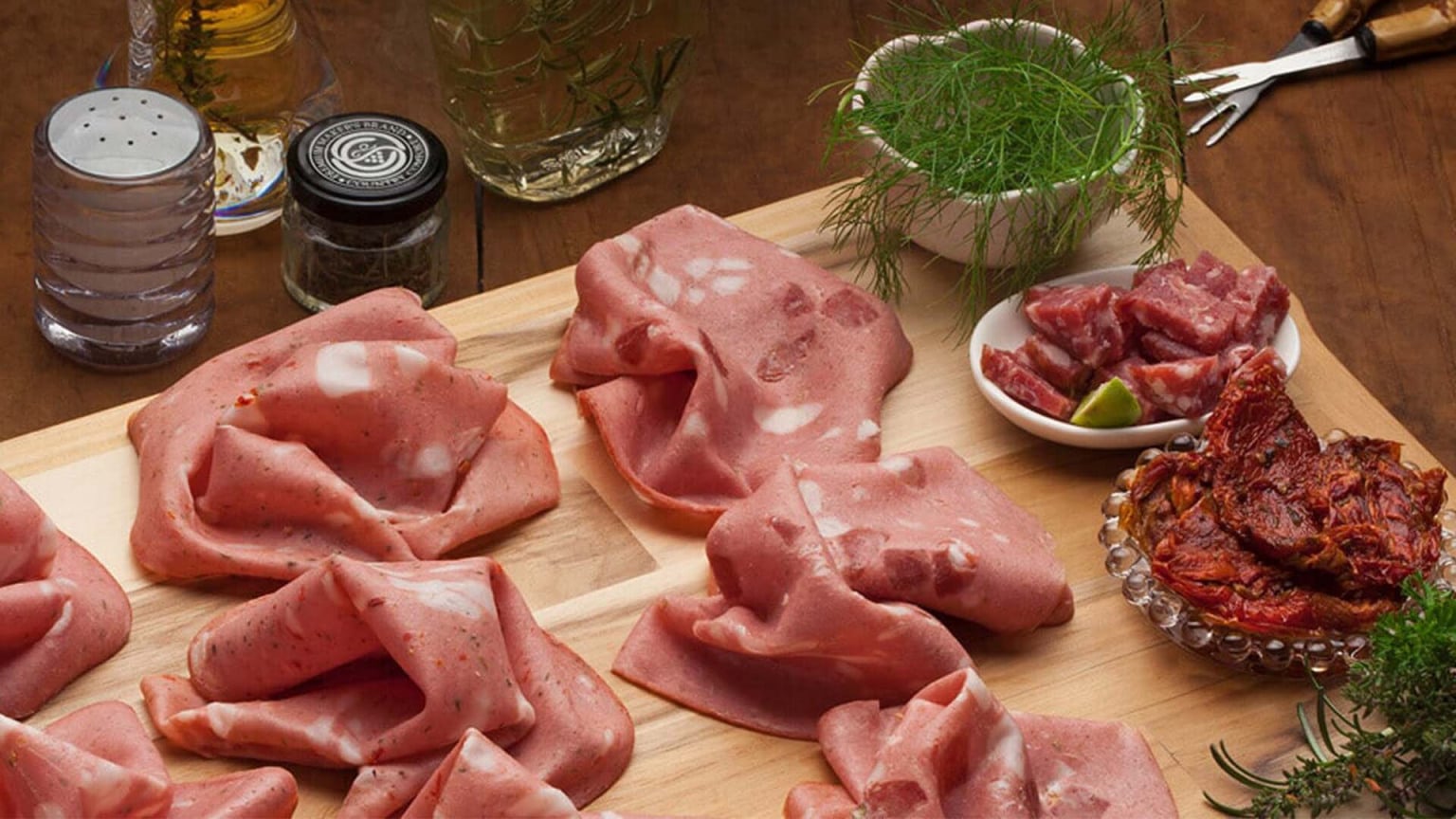
The U.S. food company has agreed to sell Ceratti, the São Paulo cold-cuts producer whose mortadella is famously served in the oversized sandwiches at the city’s Municipal Market, to Zanchetta Group. The deal brings to an end an expansion strategy undermined by management mistakes and tax disputes.
Hormel paid just over $100 million for Ceratti in 2017, expecting the business to become the foundation of a much larger operation in Brazil. The long-term ambition was to build a billion-dollar business in Latin America’s largest economy. Instead, those plans never materialized, according to people familiar with the matter.
A Growth Bet That Backfired
Seeking to accelerate growth in the years following the acquisition, Ceratti expanded into Brazil’s fast-growing cash-and-carry retail channel, supplying wholesalers including Assaí and Atacadão. The strategy proved costly, said a person familiar with the business.
The move eroded Ceratti’s margins in its traditional customer base—particularly neighborhood bakeries, long the company’s most profitable channel. Many retailers simply began purchasing the same products directly from cash-and-carry stores at lower prices.
The strategy also altered Ceratti’s cash conversion cycle at a time of high interest rates in Brazil. When the company focused on independent retailers, it typically collected payment before settling with suppliers. Sales through the wholesale channel reversed that dynamic, increasing working-capital needs.
Commercial setbacks were compounded by tax problems. An attempt to navigate Brazil’s tax-substitution regime resulted in assessments worth hundreds of millions of reais from São Paulo’s state tax authority.
Hormel said in its annual report that the assessments relate to alleged underpayment of ICMS, the state value-added tax. The company is contesting the claims through administrative and judicial proceedings, but the dispute became another sign of the challenges facing its Brazilian operation.
Taken together, the commercial and tax issues left Hormel with few alternatives but to exit the market.
“Brazil, for sure, has been a drag in terms of our overall performance,” Hormel President John Ghingo told analysts during a Dec. 4 conference call.
He was responding to Barclays analyst Ben Theurer, who asked whether the company would consider selling its Brazilian business to create “a cleaner international story” with a greater focus on Asia, adding that Brazil had generated “more headaches than smiles.”
The sale to Zanchetta suggests Hormel has chosen exactly that path, sharpening the focus of its international business on China.
More broadly, the company is concentrating investment where it generates the strongest cash flow—particularly in the United States—and creates the most value, a strategy that has helped keep Hormel in the S&P 500 Dividend Aristocrats Index. The company has increased its dividend for 60 consecutive years.
A Second Chance for Ceratti
For Ceratti, returning to Brazilian ownership offers an opportunity to regain its footing under a company more familiar with the country’s tax system and competitive dynamics.
Zanchetta, owner of the Alliz poultry and Mondelli beef brands, is widely regarded as a strong operator in Brazil’s meat industry.
The Boituva-based exporter also holds accumulated ICMS tax credits, which could prove useful in dealing with liabilities arising from the tax assessments.
Given the scale of Ceratti’s challenges, it would not be surprising if Hormel accepted only a fraction of the price it paid in 2017. Financial terms of the transaction were not disclosed. The deal remains subject to approval by Brazil’s antitrust regulator, Cade.
Zanchetta declined to comment.
This story was translated with the assistance of artificial intelligence.


