

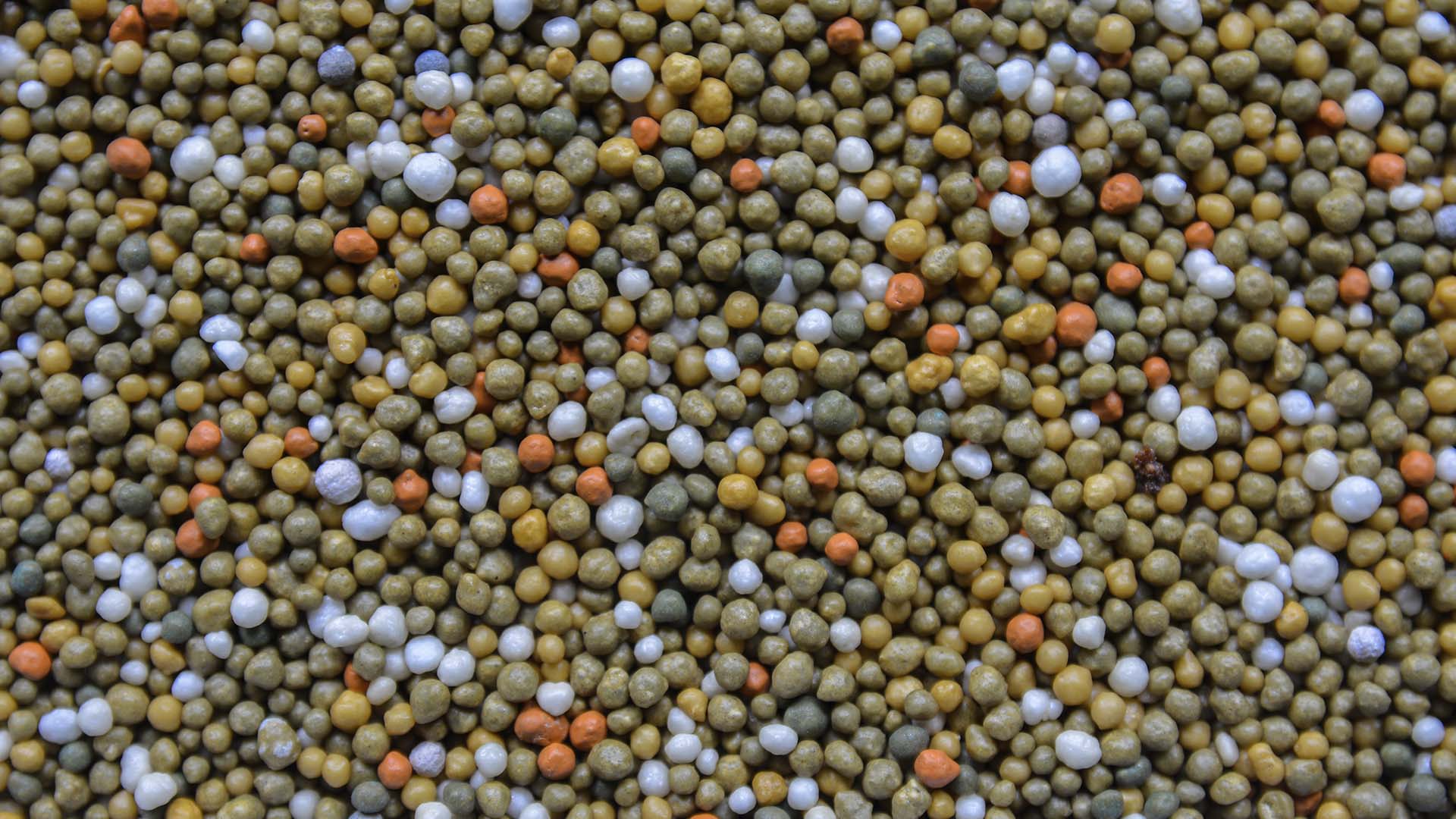

Brazilian farmers are expected to cut phosphate fertilizer applications by about 30% in nutrient terms in 2026, a pullback that may already be weighing on crop yields in several key producing states, Mosaic said Wednesday.
The estimate marks a sharp reversal from last year, when phosphate use in Brazil edged higher. Mosaic expects reductions across Latin America as limited fertilizer availability and financial pressure on growers collide with elevated prices.
In the US, phosphate applications fell 15% last season and are forecast to decline another 20% in 2027.
“Cutting phosphate applications will have a profound impact on yields,” Jenny Wang, Mosaic’s commercial vice president, said during the fertilizer producer’s earnings call.
Lower phosphorus replenishment could leave Brazil with a nutrient shortfall equivalent to 1.3 million metric tons of diammonium phosphate, or DAP, Wang said. The equivalent gap in the US is expected to reach 1.4 million metric tons.
In Brazil, planted area expanded in the 2025/26 season, yet yields fell in some producing states. Mosaic said the decline reflected lower phosphorus replenishment in soils.
“We are already seeing an impact on yields in some of Brazil’s main producing states,” Wang said.
In the US, the effects of reduced applications could become more visible this season, particularly if adverse weather hits, she said.
Sulfur Squeeze
The pullback in phosphate use follows a surge in prices driven by a global shortage of sulfur, a key raw material in phosphate fertilizer production.
Mosaic said the closure of the Strait of Hormuz and a more recent block on sulfur exports from Kazakhstan pushed raw-material costs high enough to make some phosphate production uneconomic.
As a result, Mosaic reduced output in the US and all but halted production in Brazil, keeping only its most profitable facilities operating.
“The sulfur situation is more than an inconvenience for the industry,” Chief Executive Officer Bruce Bodine said. “We believe global phosphate fertilizer production will be significantly below last year’s level.”
Last year’s low application rates and this year’s limited fertilizer availability are likely to hurt crop yields and could create near-term challenges for global food security, Bodine said.
Mosaic has some protection through long-term contracts with US Gulf Coast refiners and other global suppliers. Those agreements allowed it to secure part of its third-quarter sulfur supply at prices below the spot market.
Even so, the company continues to operate below capacity to protect margins and avoid building inventories produced with higher-cost raw materials.
Mosaic will keep its Brazilian phosphate production halted until sulfur supplies normalize. Its Brazilian operations generated $60 million in Ebitda in the second quarter, down 62% from a year earlier, a performance Bodine said demonstrated the subsidiary’s resilience.
The company also highlighted Mosaic BioSciences, its biological-products division, which expects to double revenue from last year despite difficult industry conditions.
Mosaic shares were up 4% at about 2 p.m. The company had a market value of $7.5 billion on the New York Stock Exchange.
This story was translated from the original Portuguese with the assistance of artificial intelligence and reviewed by The AgriBiz editorial staff.


